

I have spent several years working around adult-only vape retail, mainly helping shop staff understand product labels, device construction, storage, and responsible customer communication. High-puff prefilled kits have changed noticeably during that time. I have handled plenty of compact devices that looked almost identical from the outside yet behaved very differently after several days of ordinary use. That experience has taught me to pay more attention to construction and product information than to the large number printed on the packaging.
The Hayati Pro Max Plus 6000 sits in the same broad category of products that customers often ask me about after seeing a name or puff figure online. I do not treat the advertised puff count as a guarantee because actual use varies with draw length, airflow, battery behavior, and the way the device is designed. Puff figures are best understood as manufacturer estimates rather than a stopwatch-like measurement. That distinction matters.
Why I Look Past the Number on the Box
A figure such as 6000 naturally attracts attention. During staff training, however, I usually spend more time talking about what surrounds that figure. I look at whether the device uses a rechargeable battery, how its liquid system is arranged, what information appears on the packaging, and whether the manufacturer gives clear instructions about charging and disposal. Those details tell me more about day-to-day practicality than a large headline number.
I remember inspecting two high-puff products for a retailer during one busy season. Both carried similar claims, yet one had clearer battery information and far more readable packaging. The difference sounded minor until staff started answering customer questions. Clear labeling saved them from guessing, which is exactly what I want with a nicotine-related product.
I also remind people that puff counts do not translate neatly into a fixed number of days. One adult may take short draws Click here to view the Hayati Pro Max Plus 6000 and use a device occasionally, while another may use it more frequently. Even a difference of 1 or 2 seconds in draw duration can change how quickly liquid and battery capacity are consumed. I would rather explain that variability than promise a lifespan nobody can guarantee.
What I Check in the Physical Design
I start with the mouthpiece and outer casing. A device carried in a pocket or bag needs to feel solid enough for ordinary handling, and loose seams immediately get my attention. I also check how clearly the charging port is positioned and whether the device has obvious openings that could collect lint or dirt. These are basic checks, but they reveal quite a lot.
Size matters too. Some high-capacity designs become bulky because the manufacturer has to accommodate a battery and liquid system inside a compact shell. Others use a taller or wider body to distribute those components differently. I have seen customers assume that a smaller casing automatically means a more convenient product, only to find that shape matters more than a few millimetres of width.
Airflow is another feature I assess without pretending there is one perfect setup. Some devices feel tighter during a draw, while others allow more air through the system. That difference can affect perceived vapour volume and the general feel of the product. Preferences vary considerably, so I treat airflow as a design characteristic rather than a universal measure of quality.
Battery Information Deserves More Attention
Rechargeable vape products contain lithium-based batteries, so charging instructions are one of the first parts of the packaging I read. I want to see clear guidance rather than vague assumptions. A charging port may look familiar, but that does not mean every charger, cable, or power source is equally appropriate for a particular device.
I once spoke with a shop employee who had been asked why a customer’s device became unusually warm during charging. My first question was simple: what charging setup was being used? That conversation became a useful reminder that people often think of the cable as an afterthought. I prefer following the manufacturer’s supplied instructions and stopping use if a device becomes damaged, swollen, excessively hot, or otherwise abnormal.
Storage matters as well. I would not leave a vape device sitting for hours in a hot car, directly beside a heater, or somewhere it can be crushed by heavier objects. The same caution applies to many small rechargeable electronics. A little common sense around temperature and physical damage can prevent avoidable problems.
Nicotine Information Should Be Easy to Find
For me, nicotine labeling is not a decorative part of the package. It is one of the most important pieces of information. Nicotine is addictive, and a product containing it is meant for adults who can legally purchase and use it under the rules where they live. Anyone who does not currently use nicotine should not treat a high-puff vape as a harmless gadget to experiment with.
I have watched customers focus almost entirely on flavour names while barely checking nicotine information. That is why I encourage retail staff to answer factual questions without downplaying what the product contains. A brightly designed box can still contain an addictive substance. The packaging should make that clear.
People also respond to nicotine differently. Someone who experiences nausea, dizziness, headache, palpitations, or other concerning symptoms should stop using the product and seek appropriate medical advice, particularly if symptoms are severe or persistent. I do not try to diagnose those reactions from behind a counter. Health questions belong with qualified healthcare professionals.
Prefilled Systems Trade Flexibility for Simplicity
The main practical difference I notice with prefilled systems is that much of the preparation has already been handled by the manufacturer. There is no bottle to pour into an open tank, and there are usually fewer components for the customer to assemble. That simplicity is part of why this product category attracts attention among existing adult vape users.
There is a tradeoff, though. Prefilled formats usually give the user less control over liquid choice and component replacement. Once the compatible liquid section is depleted or a component reaches the end of its intended life, the options are generally narrower than they would be with a more serviceable refillable setup. I tell people to think about that before being impressed by convenience alone.
Waste is part of the discussion too. A device containing electronic parts and a battery should not simply be treated like ordinary household rubbish where specialist battery or electronic recycling is available. Local disposal rules vary, so I check the guidance for the area rather than assuming one method works everywhere. Responsible disposal is easy to overlook until several used devices have accumulated in a drawer.
How I Compare Products Without Relying on Marketing Claims
I usually compare four practical areas: labeling, construction, charging guidance, and the design of the prefilled system. I also check whether basic information is easy to locate without peeling through layers of promotional wording. A product can have attractive packaging and still leave me with unanswered questions.
Consistency matters more to me than novelty. If I examine several units from the same product line, I expect mouthpieces, seals, ports, and external finishing to look uniform. Small cosmetic differences are one thing. Loose components or obvious damage are another, and I would not use a device that arrived in questionable physical condition.
Packaging authenticity is also something I encourage adult customers to consider. Popular branded products can attract imitation or unofficial stock, and unfamiliar packaging should be treated cautiously. I would rather verify the product through legitimate manufacturer or authorized retail information than rely on a photograph from an unknown seller. That habit takes a few minutes and can prevent a much bigger problem later.
What I Would Want an Adult Buyer to Check First
If someone already uses nicotine and is comparing a product such as the Hayati Pro Max Plus 6000 with another prefilled option, I suggest starting with the information printed on the actual package. Check nicotine content, warnings, charging instructions, batch or authenticity information where supplied, and the condition of the sealed product. Those details are more useful than judging it from flavour names or promotional photography alone.
I would also check the rules where the product is being purchased and used. Vape regulations, permitted product formats, nicotine limits, and age restrictions vary between countries and can change over time. A product sold in one market may not automatically meet the requirements of another. Retail availability by itself is not proof of compliance.
After years of handling these products, I still come back to the same principle: read the device rather than the advertisement. A high puff estimate may be the first thing somebody notices, but construction, labeling, battery care, nicotine information, and proper disposal tell me far more about what an adult user is actually dealing with.
I would rather see an adult customer leave with a clear understanding of the product than with exaggerated expectations about what a number such as 6000 promises. Treat the packaging as technical information, follow the manufacturer’s safety instructions, and never ignore damage or unusual battery behavior. Those habits remain useful long after the branding on the box has changed.
I have worked behind the counter in a small smoke shop in Ohio for enough years to know that most customers do not walk in looking for a lecture. They want a clean store, fair prices, products that are not stale, and someone who can answer a question without making them feel foolish. I have seen people search for a nearby shop from the parking lot, compare 3 places on their phone, and still pick the one that feels honest once they step inside.
The First Few Minutes Tell Me Plenty
I pay attention before I even reach the counter. A good shop usually keeps the front door clean, the shelves faced, and the glass cases free of old fingerprints. That may sound small, but I have watched customers turn around in less than 30 seconds when a store felt messy or careless.
I look at how the staff greets people. I do not need a big sales pitch, and most regulars I know do not want one either. A simple hello and a little space to look around is often better than someone hovering over every move.
Stock matters too. I like to see papers, wraps, glass pieces, lighters, grinders, trays, and basic accessories arranged in a way that makes sense. If a shop carries 40 versions of one item but cannot explain the difference between two common choices, I start to wonder how much they really know.
I once helped a customer last spring who came in after buying the wrong size replacement part at another shop. He had driven across town twice and was already annoyed before he walked through our door. We measured the piece at the counter, found the right fit, and he became a regular because that 2-minute fix saved him another wasted trip.
Why I Check Selection Before I Check Price
Price gets attention first, but I usually check selection before I judge a shop. A store can be cheap and still be a poor choice if the items are old, poorly stored, or pushed without any real explanation. I have seen bargain bins full of products that sat too long, and customers can usually tell after one bad purchase.
When I compare a local option with an online resource like Smoke Shop Near Me I look for clear product categories, simple details, and signs that the business understands what adult customers are actually trying to find. I do the same thing in person by checking how the cases are organized and how quickly staff can answer basic questions. A shop that respects your time will usually make the buying process feel easier from the first shelf to the register.
I also watch how a shop handles common accessories. Papers should not be crushed, glass should be displayed safely, and lighters should work when staff tests them. It sounds basic.
One regular I knew used to buy the same brand every Friday after work. One week, we were out, so I showed him 2 close options and explained the small differences instead of pretending they were identical. He appreciated that more than a discount because nobody likes feeling pushed into whatever happens to be left on the shelf.
Good Staff Know When to Talk and When to Step Back
I have trained a few new counter workers, and the first thing I tell them is that listening matters more than talking. Some customers know the exact item they want, down to the color and size. Others only know the problem they are trying to solve, and they need a patient person to narrow it down.
The worst habit I see in weak shops is the rush to sell the highest-priced item. I have watched people get talked into pieces they did not need, then come back later frustrated because the purchase did not fit their routine. A good employee asks 3 or 4 plain questions before reaching into the case.
I also respect a shop that admits limits. Laws vary, product rules change, and some questions need a careful answer rather than a confident guess. If I do not know something, I would rather say so and check than give a customer bad advice.
Years ago, a man came in looking for a gift and had no clue where to start. He kept saying he did not want to look silly, which told me he had already felt judged somewhere else. I showed him 5 simple choices, explained what each one was for, and let him decide without pressure.
Clean Storage and Fresh Inventory Are Not Small Details
I care a lot about how products are stored. Some items can pick up odors, dry out, crack, or lose quality if a shop keeps them in bad conditions. A clean case and a tidy shelf are not decoration to me, because they often reflect how seriously the owner treats inventory.
I look for signs that stock turns over. If packaging looks faded, dusty, or curled at the edges, I start asking questions. In a busy shop, even slow-selling items should still be checked often enough that they do not look forgotten.
Glass is another easy test. A shop does not need expensive display lighting, but it should keep pieces stable, clean, and easy to inspect. I have seen delicate items stacked too close together, and one bump from a jacket sleeve can turn a display into a mess.
In our shop, we used to do a shelf check every Monday morning before opening. It took about 25 minutes if the weekend had been busy. That small habit caught damaged packaging, missing price tags, and items that needed to be moved before customers had to point them out.
Location Is Useful, But It Should Not Be the Only Reason
I understand why people search for the nearest shop first. Nobody wants to drive 30 minutes for a lighter or a simple accessory after a long day. Still, I have learned that the closest shop is not always the best shop.
A good nearby smoke shop should make repeat visits easy. Parking should be reasonable, hours should be posted clearly, and the store should not feel like a guessing game every time you walk in. If the hours say open at 10, I expect the door to be open at 10.
I also notice how a shop treats regular customers compared with new ones. A healthy store does both well. Regulars keep the place alive, but new customers decide in one visit whether they will return.
One customer told me he passed 2 other shops to come to ours because we did not make him feel rushed. That stuck with me. Convenience got him through the door once, but the way he was treated brought him back.
How I Decide Whether a Shop Deserves a Return Visit
I usually know after one visit whether I would come back. I think about the product quality, the staff attitude, the cleanliness, and whether the price felt fair for what I got. I do not expect perfection, but I do expect care.
A strong shop fixes small mistakes without drama. If an item is defective, the staff should know the store policy and handle the conversation like adults. I have seen a calm exchange save a customer relationship that could have been lost over a modest purchase.
I also value consistency. One good visit can happen by luck, but 3 good visits usually mean the owner has built a decent system. That is the kind of place I recommend when someone asks me where to go.
For me, the best smoke shop is not always the biggest, brightest, or cheapest place nearby. It is the one where I can ask a clear question, get a straight answer, and leave with something that matches what I came in for. That is what I look for every time I search locally or walk into a new store.
In recent years, the natural wellness scene has seen a growing interest in kratom, a plant-based supplement derived from the Mitragyna speciosa tree native to Southeast Asia. This growing trend has reached the Midwest, with kratom Omaha NE becoming a topic of interest among residents seeking natural options for energy, focus, and pain management. The demand for this herbal remedy continues to rise in Omaha as more people explore holistic approaches to wellness.
Kratom Omaha NE has become increasingly accessible through local shops, wellness stores, and online retailers serving the area. Consumers can find various strains such as red, green, and white vein kratom, each offering different effects ranging from relaxation to stimulation. Omaha locals are exploring kratom as a potential alternative to over-the-counter medications or energy supplements, drawn to its plant-based origins and traditional uses in countries like Indonesia and Thailand.
Education is a key part of the kratom Omaha NE community. With growing public curiosity, many vendors and wellness advocates in the area prioritize offering information about responsible kratom use. Some local stores host educational sessions or provide pamphlets detailing kratom’s alkaloids—primarily mitragynine and 7-hydroxymitragynine—and how they interact with the body’s opioid receptors. Though kratom is not an opioid, its properties can produce similar effects, leading to both curiosity and caution among new users.
As the kratom Omaha NE market expands, questions about legality and regulation naturally arise. In Nebraska, kratom is currently legal for purchase and possession by adults. However, the state has not yet implemented comprehensive regulations regarding quality control, which means consumers must rely on reputable sources to ensure product purity. Fortunately, some Omaha vendors go the extra mile by lab-testing their kratom and providing transparent sourcing details, helping build trust with local customers.
One driving factor behind the popularity of kratom Omaha NE is word-of-mouth testimonials. From those managing chronic pain to individuals seeking improved focus and energy levels, anecdotal evidence circulates throughout Omaha’s health and wellness communities. While scientific research on kratom is still emerging, these firsthand experiences often serve as powerful motivators for others to try kratom themselves—often under the guidance of a healthcare provider or herbalist.
The kratom Omaha NE community is also becoming more organized. Online forums, local meetups, and social media groups allow kratom enthusiasts to connect, share experiences, and recommend trustworthy sources. These platforms often include discussions on dosage, strain differences, and the importance of starting with low amounts for newcomers. As with any supplement, responsible use is emphasized to avoid dependence or unwanted side effects.
Wellness stores and specialty shops offering kratom Omaha NE are also expanding their selections to include kratom capsules, powders, teas, and extracts. Each format appeals to different types of users—for example, some prefer the convenience of capsules, while others favor brewing kratom tea for a more traditional experience. This variety ensures that newcomers and experienced users alike can find a product that suits their preferences and routines.
Despite the growing interest in kratom Omaha NE, it remains a topic of debate. Critics argue that kratom’s effects, while natural, may still pose risks such as dependency if misused. Advocacy groups and vendors in Omaha continue to push for responsible regulation that ensures consumer safety without restricting access. Many in the kratom community believe that with proper labeling, age restrictions, and product testing, kratom can remain a safe and effective supplement for those who choose to use it.
Healthcare professionals in the area are also becoming more aware of kratom Omaha NE and its potential impact on their patients. Some physicians are open to discussing kratom use with patients, especially in cases where conventional treatment methods have failed or caused undesirable side effects. As with any supplement, it’s crucial for users to communicate openly with their healthcare providers about kratom use to ensure it complements their overall wellness strategy.
Looking forward, the future of kratom Omaha NE depends largely on ongoing education, responsible use, and state-level decisions regarding regulation. As more people in Omaha explore this herbal supplement, the demand for high-quality, lab-tested products will likely continue to grow. With informed consumers and ethical vendors leading the way, kratom may well become a staple in Omaha’s broader conversation about natural health and wellness.
In summary, kratom Omaha NE represents more than just a passing trend—it’s part of a larger movement toward plant-based alternatives in the wellness community. While it is not without its controversies, many in Omaha are embracing kratom as a natural option worth exploring, provided it is used mindfully and purchased from reputable sources. Whether you’re new to kratom or a seasoned user, Omaha’s growing kratom scene offers a wealth of options and information to support your journey.
In recent years, the popularity of cannabidiol products has soared, with many consumers seeking natural ways to improve their health and well-being. Among the many brands on the market, Quiet Monk CBD stands out for its commitment to quality and purity. Quiet Monk CBD offers a range of products designed to promote relaxation, ease stress, and support overall wellness, making it a notable choice for anyone interested in exploring the benefits of CBD.
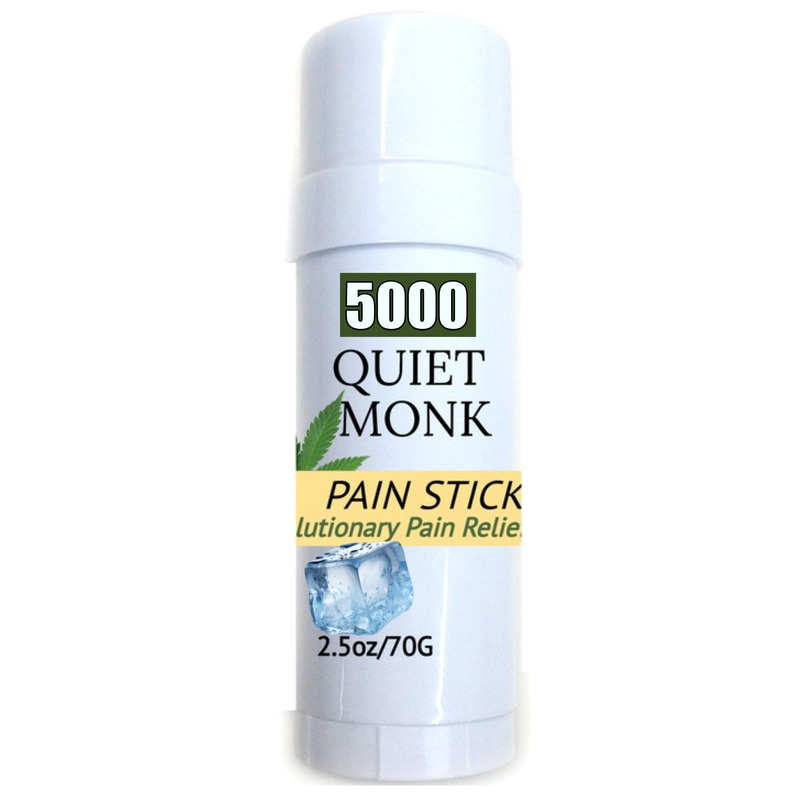
Quiet Monk CBD prides itself on sourcing the highest quality hemp to create its products. Unlike many companies that may use lower-grade materials, Quiet Monk CBD ensures that every batch undergoes rigorous testing to meet stringent standards. This dedication to quality means consumers can trust Quiet Monk CBD for consistent potency and safety in every product. Whether you are new to CBD or have been using it for some time, Quiet Monk CBD aims to provide a reliable experience.
One of the key appeals of Quiet Monk CBD is its commitment to transparency. Customers appreciate knowing exactly what goes into their products, and Quiet Monk CBD provides detailed lab reports that confirm the absence of harmful contaminants. This transparency not only builds trust but also assures users that Quiet Monk CBD products are crafted with care and responsibility. For those cautious about what they consume, Quiet Monk CBD offers peace of mind alongside its wellness benefits.
Quiet Monk CBD’s product range is diverse, catering to different preferences and needs. From tinctures and capsules to topical creams, Quiet Monk CBD makes it easy for consumers to find the right form of CBD to incorporate into their daily routines. Each product is designed with the user’s comfort and convenience in mind, allowing Quiet Monk CBD to meet a wide variety of lifestyle demands. This versatility is one of the reasons why Quiet Monk CBD has gained a loyal following.
In addition to quality and variety, Quiet Monk CBD emphasizes the natural origins of its ingredients. The hemp plants used by Quiet Monk CBD are grown using sustainable and organic farming practices, which helps maintain the purity of the products. Quiet Monk CBD’s focus on natural cultivation reflects a broader commitment to environmental responsibility, aligning with the values of many modern consumers who prefer eco-friendly options. This connection to nature enhances the appeal of Quiet Monk CBD.
Many users of Quiet Monk CBD report noticeable improvements in their daily lives, including better sleep, reduced anxiety, and relief from occasional pain. Quiet Monk CBD’s formulations work by interacting with the body’s endocannabinoid system, which helps regulate various physiological processes. Through this interaction, Quiet Monk CBD supports balance and harmony within the body, contributing to overall wellness. Testimonials from satisfied customers highlight the potential benefits of Quiet Monk CBD products.
Quiet Monk CBD also prioritizes customer education, recognizing that informed consumers are more likely to use CBD safely and effectively. Quiet Monk CBD provides extensive resources, including guides and articles, to help users understand how CBD works and how to choose the right products. This educational approach empowers users to make informed decisions and get the most out of Quiet Monk CBD. It also reinforces the brand’s image as a trustworthy partner in health and wellness.
When it comes to affordability, Quiet Monk CBD strikes a balance between premium quality and reasonable pricing. Unlike some brands that charge exorbitant prices, Quiet Monk CBD offers competitive rates that make high-quality CBD accessible to a broader audience. This accessibility is an important aspect of Quiet Monk CBD’s mission to promote wellness without creating financial barriers. By offering good value, Quiet Monk CBD attracts a wide range of customers seeking effective natural solutions.
The convenience of purchasing Quiet Monk CBD products online also adds to its appeal. Quiet Monk CBD has streamlined the buying process with a user-friendly website, fast shipping, and responsive customer support. This ease of access allows more people to experience the benefits of Quiet Monk CBD without hassle or delay. Whether you are a first-time buyer or a repeat customer, Quiet Monk CBD strives to make every interaction smooth and satisfying.
Looking ahead, Quiet Monk CBD continues to innovate by exploring new formulations and delivery methods. The brand’s commitment to research and development ensures that Quiet Monk CBD remains at the forefront of the industry, offering cutting-edge products that meet evolving consumer needs. With a foundation built on quality, transparency, and customer care, Quiet Monk CBD is well-positioned to grow and adapt in the dynamic world of CBD wellness.
In summary, Quiet Monk CBD represents a thoughtful and trustworthy option for those interested in natural health solutions. With its emphasis on quality, transparency, variety, and education, Quiet Monk CBD has earned a reputation as a reliable brand in the crowded CBD market. Whether you are seeking to manage stress, improve sleep, or support overall balance, Quiet Monk CBD offers products that can fit seamlessly into your wellness routine. Choosing Quiet Monk CBD means choosing a calm, natural path to better health.
The legalization of marijuana in various parts of the world has led to the rise of marijuana dispensaries—regulated establishments that sell cannabis and cannabis-related products. These dispensaries play a significant role in the legal cannabis industry, providing consumers with safe access to marijuana for both medicinal and recreational use. As cannabis becomes more accepted culturally and legally, understanding how Marijuana Dispensary operate and what they offer can help demystify this growing sector.
What Is a Marijuana Dispensary?
A marijuana dispensary is a licensed storefront or facility where cannabis products are sold to consumers. Dispensaries fall into two main categories: medical and recreational.
Medical dispensaries serve patients who have been prescribed cannabis by a licensed healthcare provider. These establishments often require customers to present a medical marijuana card or a doctor’s recommendation to make a purchase. Products are tailored to address specific health conditions, such as chronic pain, epilepsy, anxiety, or nausea from chemotherapy.
Recreational dispensaries, on the other hand, sell cannabis products to adults for personal use without the need for a medical prescription. These are commonly found in regions where recreational marijuana is legalized.
Products Offered
Modern dispensaries offer a wide range of cannabis products that cater to various preferences and needs. Some of the most common products include:
-
Flower: Also known as bud, this is the dried part of the cannabis plant that is smoked or vaporized.
-
Edibles: Food and beverages infused with cannabis extracts, such as gummies, chocolates, and teas.
-
Concentrates: Highly potent extracts of cannabis, including wax, shatter, and oils.
-
Topicals: Creams, lotions, and balms infused with cannabinoids, typically used for localized relief from pain or inflammation.
-
Tinctures and Capsules: Liquid or pill-based forms of cannabis that offer precise dosing and discreet consumption.
Dispensaries often display products with information on their THC (tetrahydrocannabinol) and CBD (cannabidiol) content, helping consumers choose according to the effects they seek.
The Dispensary Experience
Visiting a marijuana dispensary can be a welcoming and educational experience, especially for first-time users. Most dispensaries have knowledgeable staff, often referred to as “budtenders,” who guide customers through the selection process. They can explain product differences, recommend items based on the desired effect, and provide advice on dosage and consumption methods.
Dispensaries maintain strict protocols to ensure compliance with local laws. This includes checking IDs to verify age, maintaining surveillance and security measures, and adhering to state and municipal regulations regarding packaging, labeling, and storage.
Legal and Regulatory Framework
Each region that allows marijuana sales has its own set of rules governing how dispensaries operate. In the United States, for example, laws vary significantly from state to state. Some require seed-to-sale tracking systems to monitor the entire life cycle of a cannabis product. Others may limit the amount of marijuana a customer can purchase in a single transaction.
Taxation is another important aspect. Cannabis products are often subject to both standard sales taxes and special excise taxes, which can significantly impact the final price. However, these taxes also contribute to public funding for education, infrastructure, and drug rehabilitation programs in many jurisdictions.
Benefits and Challenges
Dispensaries offer numerous benefits to society. They provide safe and regulated access to cannabis, reducing the risks associated with black market purchases. They also support local economies through job creation and tax revenue. In medical contexts, dispensaries offer a legitimate source of alternative treatment for patients who might not respond well to conventional medications.
Despite these benefits, dispensaries also face challenges. Federal regulations in some countries, such as the United States, can create legal gray areas. For example, while marijuana may be legal at the state level, it remains illegal under federal law. This discrepancy creates difficulties for dispensaries when it comes to banking, advertising, and interstate commerce.
Moreover, the stigma around cannabis still persists in some communities, leading to zoning issues and public opposition. Dispensary owners must often work to educate the public and gain community support to operate successfully.
Conclusion
Marijuana dispensaries are an integral part of the modern cannabis industry. They provide a safe, controlled environment for purchasing cannabis products, whether for medicinal or recreational use. As legalization continues to expand, dispensaries will likely evolve further, offering even more sophisticated products and services. Understanding how they function and what they offer helps normalize cannabis use and promotes responsible consumption. Whether you’re a curious newcomer or a seasoned user, a reputable dispensary can be a valuable resource on your cannabis journey.
As the legalization of cannabis continues to spread across various regions, Weed Dispensary have become a central part of the marijuana industry. These specialized stores offer a wide range of cannabis products, from flowers to edibles, concentrates, and topicals. For those new to cannabis or those looking to explore different products, visiting a dispensary can be an enlightening and exciting experience.
Understanding Weed Dispensaries
A weed dispensary is a retail location that sells marijuana and cannabis-related products. These dispensaries operate legally in regions where cannabis has been decriminalized or legalized for recreational and medicinal use. They are required to follow strict regulations, including age restrictions, product labeling, and testing standards. Dispensaries provide a safe and regulated environment for individuals to purchase cannabis products.
Types of Products Available at Weed Dispensaries
-
Flower: This is the most common and recognizable form of cannabis. Dispensaries offer various strains, each with unique effects. Strains are often categorized into three main types: Sativa, Indica, and Hybrid.
-
Edibles: Edible cannabis products are gaining popularity, ranging from gummies and chocolates to beverages and baked goods. They provide a discreet and long-lasting effect compared to smoking.
-
Concentrates: These products contain a high concentration of cannabinoids and are available in various forms such as wax, shatter, and oils. They offer more potent effects, making them ideal for experienced users.
-
Topicals: Cannabis-infused lotions, balms, and oils are designed for topical application and are often used for their soothing and therapeutic properties.
What to Expect When Visiting a Weed Dispensary
When visiting a dispensary for the first time, you will need to bring valid identification to verify your age. Depending on your region, a medical marijuana card may also be required. Dispensaries typically have a budtender available to assist you in selecting the right products based on your needs and preferences. Budtenders are knowledgeable about the products and can guide you in finding the right strain or form of cannabis.
The Benefits of Shopping at a Weed Dispensary
-
Quality and Safety: Cannabis products sold at licensed dispensaries undergo testing for potency and purity, ensuring they are free of harmful contaminants.
-
Knowledgeable Staff: Budtenders provide expert advice on various cannabis products, helping you make informed choices.
-
Variety: Dispensaries offer a wide range of cannabis products, catering to both recreational and medicinal users.
Conclusion
As cannabis use continues to evolve, weed dispensaries are playing a key role in providing consumers with safe, regulated access to marijuana products. Whether you’re a seasoned user or a first-timer, dispensaries offer an inviting and knowledgeable environment to explore the world of cannabis. With an array of products to choose from, finding the right option for your needs is easier than ever.